Sun’s out, and that means the fun’s out. People are enjoying the sunshine, going for walks, and filling their days with activities that simply feel better in summer. However, while this season calls for outdoor activity and social time, it can also pose serious health concerns, especially for the elderly. One of the most dangerous problems is heat stroke. This sadly common condition often sends seniors to the emergency room during extreme heat and can lead to some serious health consequences if not treated promptly.
Read on to learn how to recognize the symptoms of heat stroke in elderly individuals and how to prevent it from happening in the first place, so you and your loved ones can safely enjoy the summer outdoors.
Understanding Heat Stroke in the Elderly
What Is Heat Stroke?
Put simply, heatstroke is a condition in which the body overheats due to prolonged exposure to high temperatures and may worsen with strenuous physical exertion. But how hot is too hot? According to the experts, heat stroke may occur when the temperature is greater than 104°F. Failing to recognize the early symptoms of heat stroke in the elderly can have a severe impact on the kidneys, muscles, heart, and brain, leading to devastating complications.
Why Are Seniors at Greater Risk?
Unfortunately, seniors are particularly susceptible to heat stroke for several reasons. One is age. Their bodies do not function as well as those of healthy young people in adjusting to sudden temperature changes. To make matters even worse, older adults often have chronic medical conditions that can alter the body’s response to heat and take medications that also impact normal temperature regulation.
Symptoms of Heat Stroke in Elderly Adults
Early Warning Signs
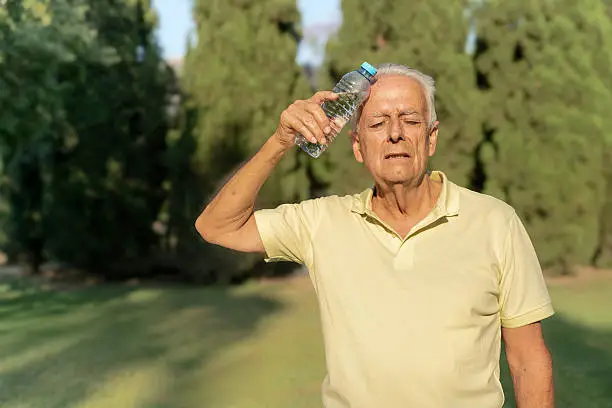
Besides the prevention itself, the key to preventing a life-threatening situation is recognizing the early symptoms of heat stroke in the elderly. Even mild confusion or changes in behavior in the hot outdoor setting should raise concern. What may seem like general tiredness or “just the heat” could be the start of something serious. The first warning signs may include:
- Excessive sweating
- Muscle cramps or weakness
- Dizziness or lightheadedness
- Nausea or vomiting
- Sudden headache
- Fatigue or confusion
Advanced Symptoms
Going unnoticed, those early symptoms of heat stroke in the elderly can quickly escalate into life-threatening conditions. Once these advanced symptoms show, the first instinct should be to take seniors to the nearest ER. Here are the more severe symptoms to watch for:
- High body temperature (often above 104°F)
- Flushed, hot, or dry skin
- Severe confusion, disorientation, or delirium
- Slurred speech or difficulty speaking
- Seizures
- Loss of consciousness or fainting
- Rapid, shallow breathing
- Weak or racing pulse
What to do if you Suspect Heat Stroke
Acting quickly when the symptoms of heat stroke in elderly adults appear could save their lives. Never assume the symptoms of heat stroke in elderly will “go away.” Always treat them as a serious warning sign. If you notice any symptoms of heat stroke in an elderly loved one when you venture outdoors, implement these steps right away to prevent it from getting worse:
- Move the senior to a cooler environment: Get your loved one out of direct sunlight. An air-conditioned place is preferable. Or, if you can’t find that particular area, get your loved one to a shaded area at the very least.
- Remove unnecessary clothing and accessories: Socks, jackets, or any other items that can trap heat should be removed immediately.
- Cool the body: You can apply cool (not ice-cold) water with a sponge or cloth, use fans or air conditioning to cool the body down.
- Call 911 or Emergency Services immediately: If things don’t look right, don’t wait or try to manage it on your own. Ask medical professionals to step in quickly.
- Keep your loved one calm and monitored: Talk to them gently, and try to keep them awake and alert while waiting for emergency help.
How to Prevent Heat Stroke in Elderly Loved Ones
Stay Hydrated
This prevention step is one of the easiest ways to prevent the symptoms of heat stroke in elderly, yet it is the most easily forgotten and may become the leading cause of the problem instead. To prevent that, our tips are to:
- Offer water regularly, not just when they ask.
- Limit coffee and alcohol.
- Add water-rich fruits like watermelon or cucumbers.
- Set simple drink reminders throughout the day to stay hydrated and maintain your hydration levels.
Dress for the Weather
Summer is the time to wear those colorful, breezy dresses and shirts. Not just for the style and trend, but also for the safety of your loved one. Our summer-style tips for the elderly include:
- Go for lightweight, loose-fitting, and light-colored clothing.
- Avoid dark colors, as they absorb heat more readily.
- Add a wide-brimmed hat and UV-protective sunglasses for extra sun defense.
- Fabrics like cotton and linen help the skin breathe.
Keep Living Spaces Cool
When it’s blazing outside, a cool home can be a lifesaver, literally. To avoid the symptoms of heat stroke in elderly adults, make sure their living spaces stay comfortable by following these simple tips:
- Use fans or air conditioning to keep the air moving.
- Close curtains or blinds during the hottest parts of the day.
- Avoid using the oven or stove when it’s already hot inside.
- If there’s no AC, consider spending time at a library or mall during peak heat.
Limit Outdoor Activity
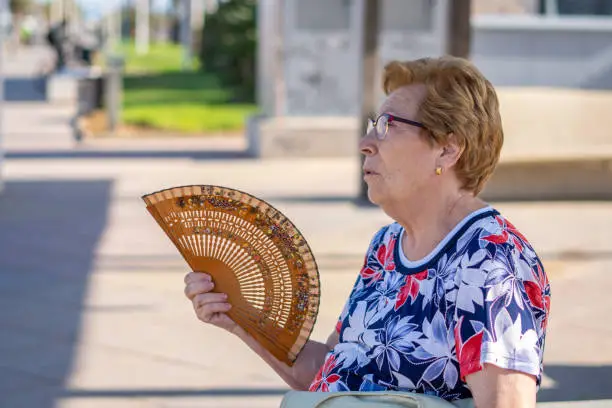
Even though the bright daylight of summer is very tempting, it’s best to stay indoors and stay cool. Limiting time outside through these tips can significantly reduce the risk of symptoms of heat stroke in elderly adults:
- Avoid outdoor activity between 10 a.m. and 4 p.m., when it’s hottest.
- Plan walks or errands early in the morning or later in the evening.
- If going out is necessary, find shade and take frequent breaks.
- Check the CDC’s heat and health care tracker to plan around extreme heat or heat advisories
Monitor Medication Side Effects
Some medications, like blood pressure medications or certain antidepressants, can increase seniors’ sensitivity to heat or impair the body’s ability to regulate temperature, thereby raising the risk of heat stroke symptoms in elderly adults. So, to keep the outdoor activities safe and fun, make sure to:
- Consult a doctor or pharmacist about how your current medications might interact with hot weather.
- Watch for unusual fatigue, confusion, or dizziness, especially after medication.
End Note
Summer should be enjoyed by everyone. However, the season also poses additional health risks for older people. That’s why recognizing the symptoms of heat stroke in elderly adults, both early and advanced, is so important. The good news is that with proactive prevention, regular monitoring, and a few smart habits, heat stroke can often be avoided altogether.
Contact Sunny Days In-Home Care to learn about personalized summer care plans tailored to let your loved one enjoy the season fully yet safely.