
Besides hypothermia and seasonal disease, winter blues or seasonal depression, seniors may feel, is something you need to be on the lookout for as colder months come. While some may think it’s a normal ‘gloomy’ feeling that comes with the weather, the shorter days, reduced sunlight, and limited activity can make any sadness and feeling of low energy linger and eventually become a full-blown depression.
Continue reading this article to understand this condition and how you can help your aging loved one.
What Is Seasonal Depression In Seniors?
Defining Seasonal Affective Disorder (SAD)
 To make it easier for you to remember, seasonal affective disorder is quite literally the feeling of SAD-ness that comes and goes with the seasons. However, beyond sadness, SAD also includes other symptoms of depression, such as anxiety, feelings of hopelessness, irritability, guilt, constant fatigue, or, in extreme cases, suicide attempts.
Yet what differs SAD from depression is that it lasts 4-5 months out of the year and recurs following a seasonal pattern. For this upcoming winter, additional symptoms usually include oversleeping, overeating (usually carbs), which leads to weight gain, and withdrawing from social activities to ‘hibernate’.
What Causes Seasonal Depression in Older Adults?
The most-studied season by scientists so far is winter, and it’s easy to see why. A lot of scientists think that seasonal depression seniors face may be caused by the reduced levels of serotonin, or some may call it the ‘happy hormone’, due to shorter daylight hours. The same condition may also cause vitamin D deficiency, which is supposed to increase the hormone. Other views suggest excessive melatonin is the culprit that disrupts the normal sleep-wake cycle and eventually leads to oversleeping.
How Seasonal Depression Presents in Seniors
The truth is, SAD can be a little tricky to notice in elderly adults as it can easily be mistaken for the normal process of aging or simple tiredness. However, if you know your loved ones well, changes in their mood, withdrawal, or a loss of interest in activities they normally enjoy should prompt you to suspect that something is wrong. When these changes occur during a ‘specific time’ of the year, like winter, you have the combination.
Common Signs and Symptoms to Look For
Emotional and Behavioral Symptoms
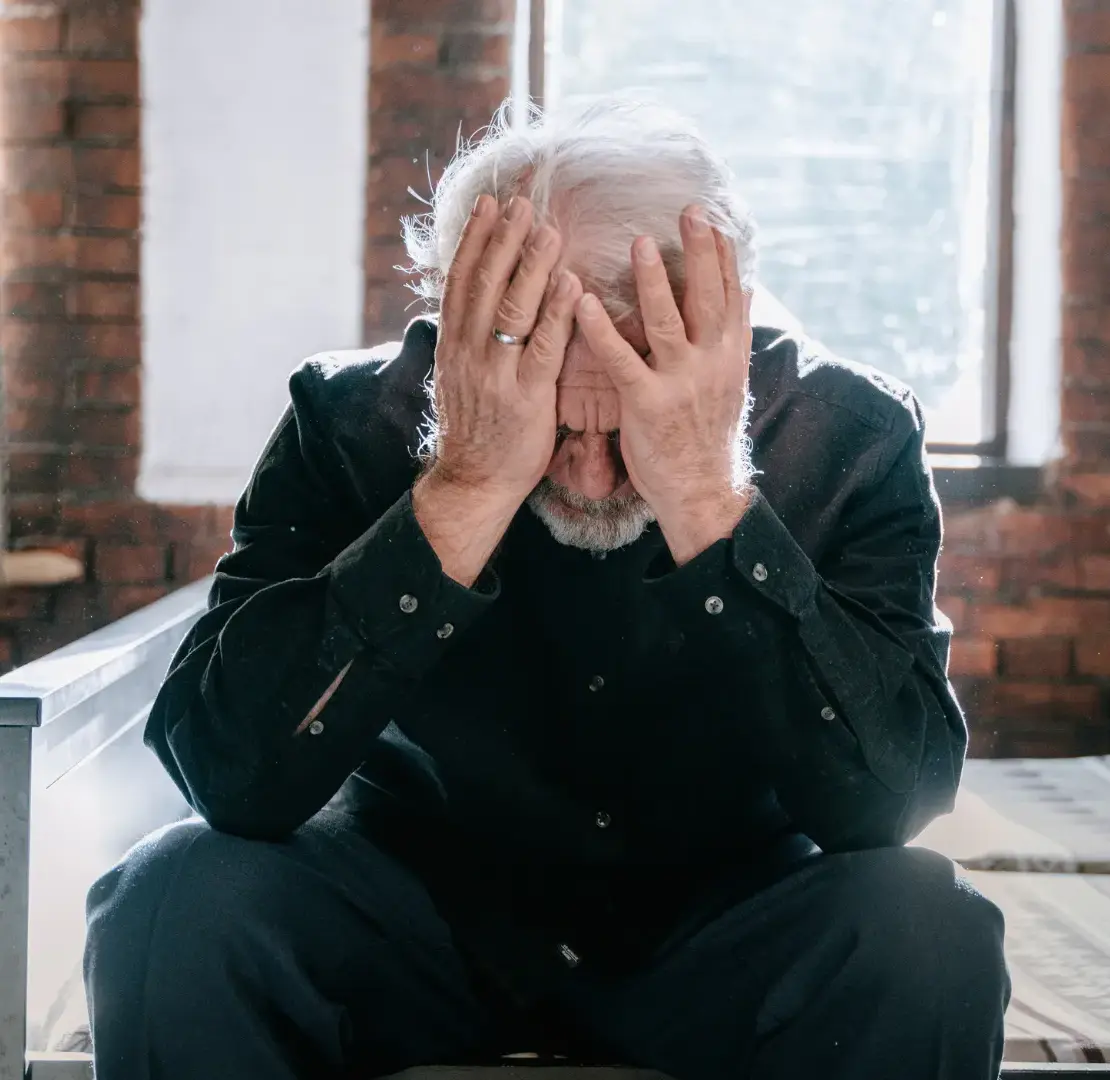
As we mentioned before, changes in emotional state are often the earliest signs that seasonal depression is beginning to appear. Your loved one may seem more irritable, unusually quiet, or less enthusiastic about activities they typically enjoy. They may withdraw from conversations, appear uninterested in hobbies, or prefer staying alone for long periods of time — behaviors that go beyond normal winter sluggishness.
Physical and Cognitive Symptoms
Other changes in sleep patterns and appetite should also raise a flag. Your loved one may sleep much longer during the winter and find it hard to get up in the morning. They may also crave and eat more carbohydrates than usual, yet still feel low on energy throughout the day. Worsening physical complaints, such as aches and persistent fatigue, can make it even harder to stay socially active. Over time, this withdrawal and inactivity can deepen feelings of sadness and loneliness, creating a cycle that becomes harder to break if left unaddressed.
How Seasonal Depression Impacts Senior Health
Effects on Mental Health
SAD can significantly affect a senior’s mental well-being, making everyday life feel heavier. Once-enjoyable seasons for gathering with family become burdensome. Persistent sadness, irritability, difficulty concentrating, or a lingering sense of emptiness that goes far beyond the usual winter blues. When left unchecked, these mental health effects can escalate into more serious concerns requiring professional support.
Effects on Physical Health
Seasonal depression in seniors may eventually take a toll on physical health as well. Lower energy levels, persistent fatigue, and disrupted sleep can make it harder for seniors to stay active, which is especially concerning for those managing chronic conditions. When combined with increased carb consumption, controlling those chronic conditions through blood pressure or sugar may become extremely difficult.
Effects on Daily Living
Activities that once were easy and simple can feel extremely exhausting when depression hits. Getting out of bed and even taking a shower may feel overwhelming. On top of that, cold temperatures and longer dark days make the matter worse. Seniors may find themselves postponing chores and avoiding any activities due to a lack of motivation and constant fatigue. Without proper support, essential daily activities may be neglected, and living independently will become impossible.
How Caregivers Can Support Seniors with Seasonal Depression
Encourage Regular Light Exposure
The good news is that the seasonal depression seniors potentially face this winter can be prevented, or at least reduced, by helping them get regular light exposure. This free yet effective solution can help regulate mood and energy levels while also regulating the body’s internal clock. So, encouraging your loved one to take morning walks, opening curtains early, or simply going outside to enjoy some sunbathing can make a meaningful difference. If natural light is limited, a light therapy lamp can be a helpful alternative.
Promote Healthy Routines
Gentle exercises, such as morning yoga and light indoor activities, can help stabilize mood and improve overall energy levels. But remember not to push too hard, as every activity should feel manageable and enjoyable, not exhausting. Pair these activities with simple healthy habits like regular bedtimes and eating nutritious meals, and you have equipped your loved one with tools to help them stay grounded during this winter month.

Foster Social Engagement
We can’t emphasize enough the benefit of being socially active, and that notion is especially true when trying to beat the winter blues. Engaging in meaningful conversation or simply sharing laughter through card games can help lighten your loved one’s mood, reduce feelings of loneliness, and feel connected to something bigger than themselves, eventually bringing them out of their emotional slump.
Monitor Mental Health Closely
Signs of seasonal depression that seniors show may be subtle at first. However, left unnoticed, it can gradually worsen and make living independently at home extremely hard, if not borderline impossible. That’s why caregivers should stay attentive to changes in mood, sleep, appetite, or social engagement. Early recognition allows for timely support — whether through simple lifestyle adjustments, increased social interaction, or seeking professional help when needed.
When Seasonal Depression May Indicate a Larger Concern
Differentiating SAD from Other Forms of Depression
While SAD is a seasonal depression seniors feel at a specific time of the year and lasts for 4-5 months only, other forms of depression occur regardless of the season and persist longer. If your loved one’s low mood continues well beyond winter and becomes more intense, it may signal a broader depressive disorder or other condition. When you’re not sure which one is which, talking to a professional is a must.
Co-Occurring Conditions to Watch For
Sadly, SAD doesn’t always appear on its own. Exacerbation of chronic illness, such as diabetes, hypertension, or arthritis, may happen as a result of energy drops and decreased activities. Other cognitive issues, such as dementia, may also become worse when the mood is low. Last but certainly not least, other mental issues, such as anxiety, hypersomnia/insomnia, and addiction disorders like alcoholism, can also happen simultaneously, warranting help from professionals.
Tips for Families Supporting Loved Ones with Seasonal Depression
Supporting a loved one through seasonal depression can start with simple, everyday actions. Encourage open conversations, help them maintain a steady routine, and gently promote social interaction to prevent isolation. Small steps—like spending time outdoors, opening curtains for natural light, or doing light activities together—can make a noticeable difference in how seasonal depression seniors experience the colder months.
When symptoms begin affecting daily life or seem to worsen, it may be time to seek additional support. A professional in-home care provider can offer companionship, structured routines, and personalized assistance that families may not always be able to provide. Reaching out to reliable in-home care services ensures your loved one gets consistent, compassionate help while staying safe and comfortable at home during the winter.
End Note
Seasonal depression in seniors may seem like a temporary challenge, but its impact on daily life, emotional well-being, and overall health can be significant if left unaddressed. With early recognition, steady support, and the right resources, your loved one can continue enjoying the winter months.
If you’re looking for compassionate, dependable help to support your loved one at home this season, contact Sunny Days In Home Care today and let our caregivers make each day brighter and more manageable.