
Unfortunately, some seniors aren’t always fortunate enough to maintain the same mobility and agility they once had. Life happens, accidents occur, and illnesses come. Yet, dwelling on limitations won’t help. What we can do is try to find ways to support them in embracing the abilities they still possess. Without proper training and experience, providing that kind of help can be difficult for most family caregivers.
Luckily, your loved one and family won’t have to go through it alone. With the right mobility assistance in-home care service, your loved ones can stay safe, active, and independent, while you gain peace of mind knowing they’re in capable hands.
Understanding Mobility Challenges in Aging Adults
Age-Related Physical Changes
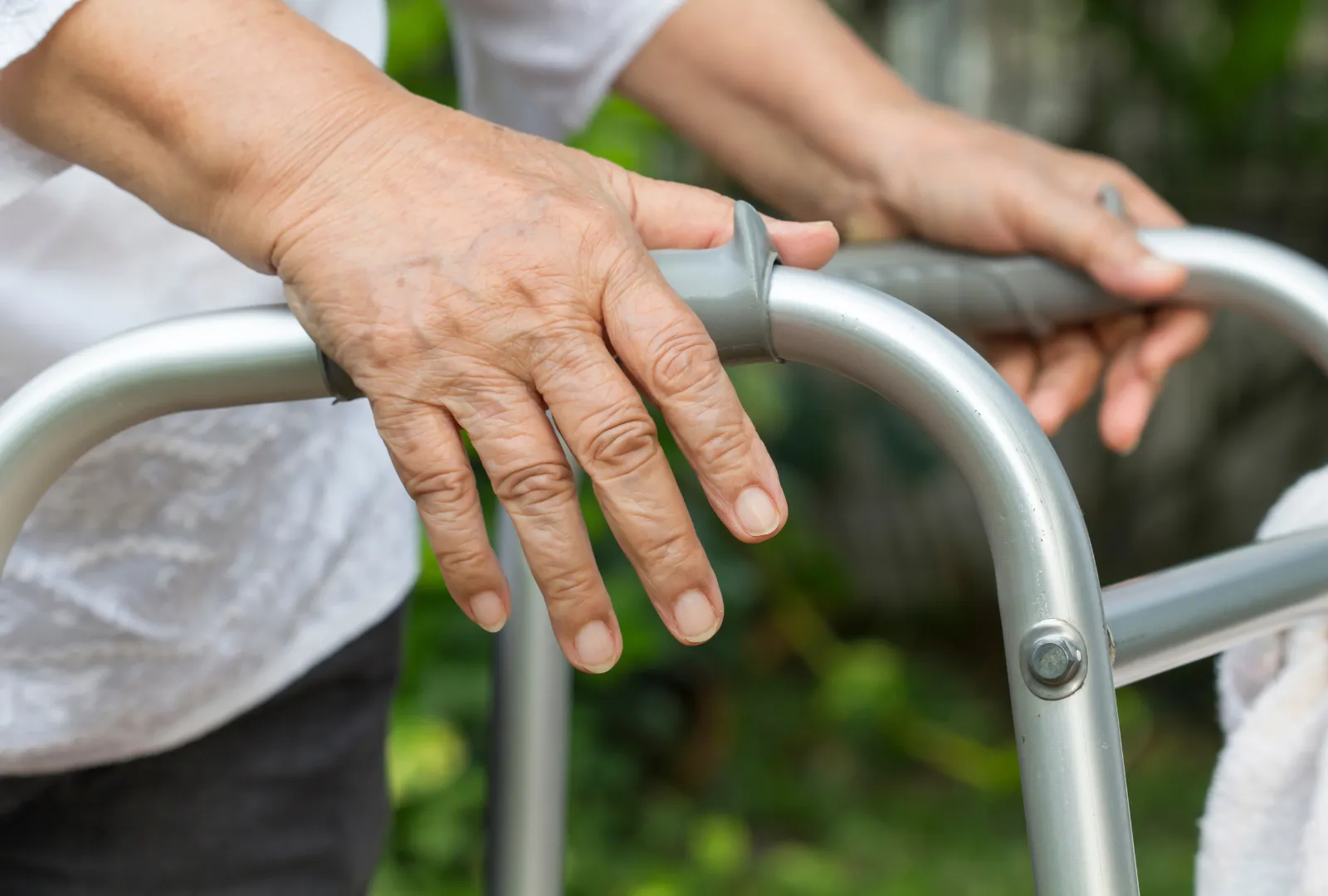
Naturally, muscles may weaken, joints can become stiffer, and balance declines over time, though pace and severity can differ from person to person. At first, these changes may simply affect how your aging loved one walks or moves. Over time, however, the limitations will also impact confidence. Tasks that once were simple, like climbing stairs or even walking across a room, may begin to feel overwhelming. In some cases, seniors may also avoid these activities altogether, which can lead to isolation and depression.
Medical Conditions
Mobility-impacting medical conditions, like arthritis, osteoporosis, Parkinson’s disease, or stroke, may further complicate the situation. Imagine how difficult it must be to walk with physical changes, topped with pain, weakness, and stiffness caused by medical conditions. What may begin as a minor difficulty can gradually progress into a partial inability to move safely, increasing the risk of injury. In turn, the injury can lead to total immobility, creating a vicious cycle that impacts both health and independence.
The impact of reduced mobility on activities of daily living (ADL)
Beyond transportation, reduced mobility also affects whether your loved one can carry out daily activities and tackle personal tasks, such as bathing, toileting, dressing, and many others. An effortless routine, such as standing in the shower or cooking nutritious meals for their health, can quickly become risky or, worse, impossible to maintain. But, before worry begins to spiral in your mind, rest assured that mobility assistance in-home care is designed to also help with these vital day-to-day tasks, making sure your loved one lives comfortably and safely.
Recognizing When Mobility Assistance In-Home Care Is Needed
Many seniors try to push through their challenges and downplay the struggles out of fear of becoming their family’s burden or losing their independence. So, it’s your job to be more vigilant about the signs. Frequent falls or near-misses, difficulty getting in and out of chairs, hesitation when climbing stairs, or any visible exhaustion after simple tasks. Also, make sure to pay attention to your loved one’s appearance and their living environment, as the two may suggest neglected personal tasks and house chores.
When you begin to see patterns, don’t wait for bigger signs to show. Consider mobility assistance in-home care to avoid the unthinkable from happening in the first place.
Types of Mobility Assistance
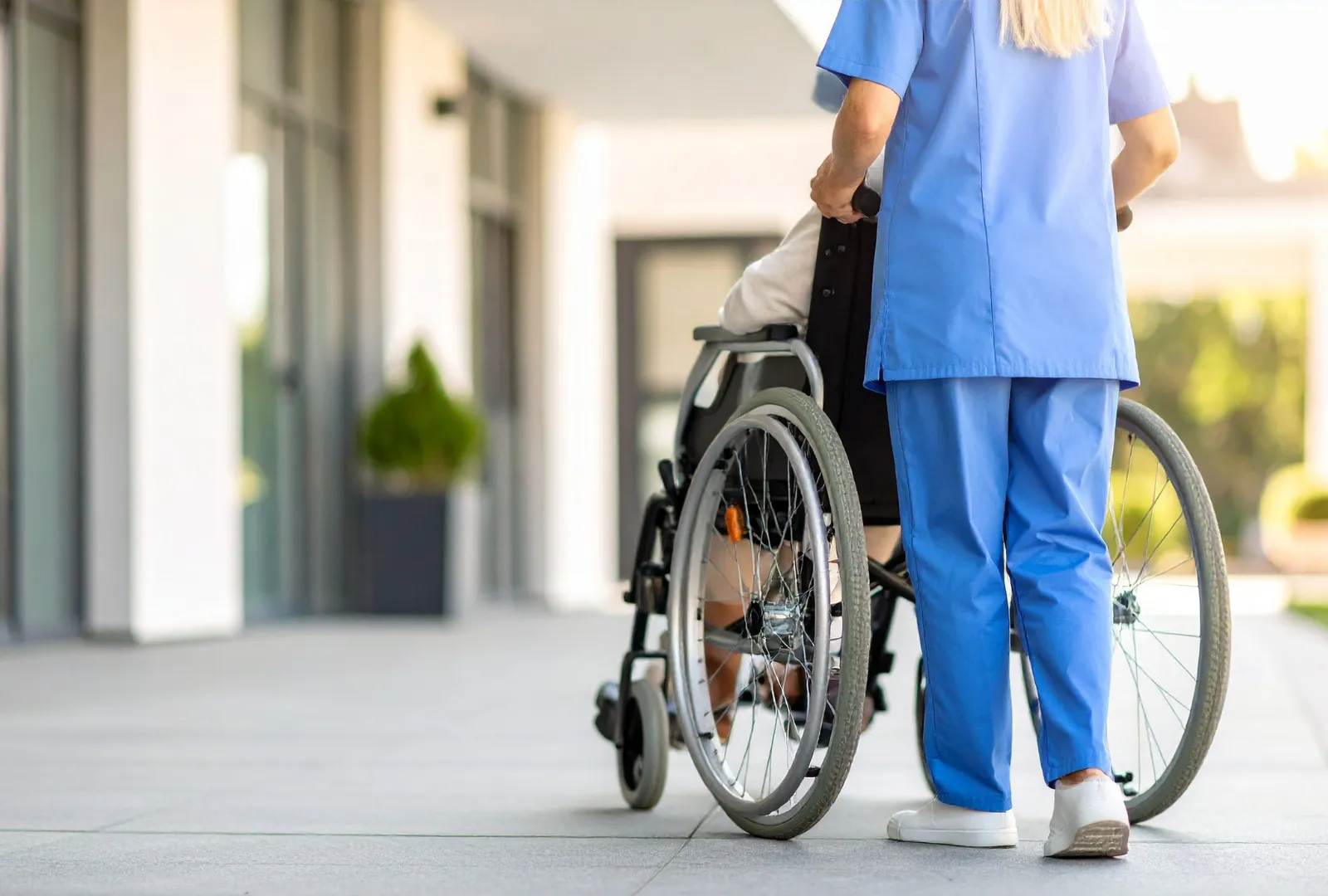
Personal Mobility Support: The moment a person wakes up, mobility becomes part of their day; from getting out of bed, walking to the bathroom, preparing meals, to moving around the house. For seniors, each of these simple tasks can feel challenging without the support of mobility assistance in-home care.
Mobility Aids: For seniors who need extra support, mobility aids such as wheelchairs, walkers, or scooters can make a world of difference. These tools not only enhance independence but also reduce the physical strain of moving from place to place. Caregivers can assist with the proper use of these devices, ensuring seniors remain safe and comfortable while staying active.
Mobility and Strengthening Exercises: Even in small ways, staying active is crucial to maintaining strength, flexibility, and balance. A caregiver who provides mobility assistance in-home care will also help encourage and support seniors to lead an active life in a way that is ‘do-able’ for them, and more importantly, safe. Little by little, these routines may improve their endurance and, hopefully, the risk of falls.
Home Modifications: Preparing your parents’ home so they stay safe around the house is just as important as providing them with physical support. With the help of mobility assistance in-home care providers, every potential hazard can be identified, and modifications like grab bars in the bathroom, ramps for easier access, or stair lifts can be appropriately implemented. Another way of saying ‘I got you’ without interfering with your loved ones’ independence.
Maintaining Independence Through Mobility Assistance In-Home Care
Balancing Safety with Autonomy
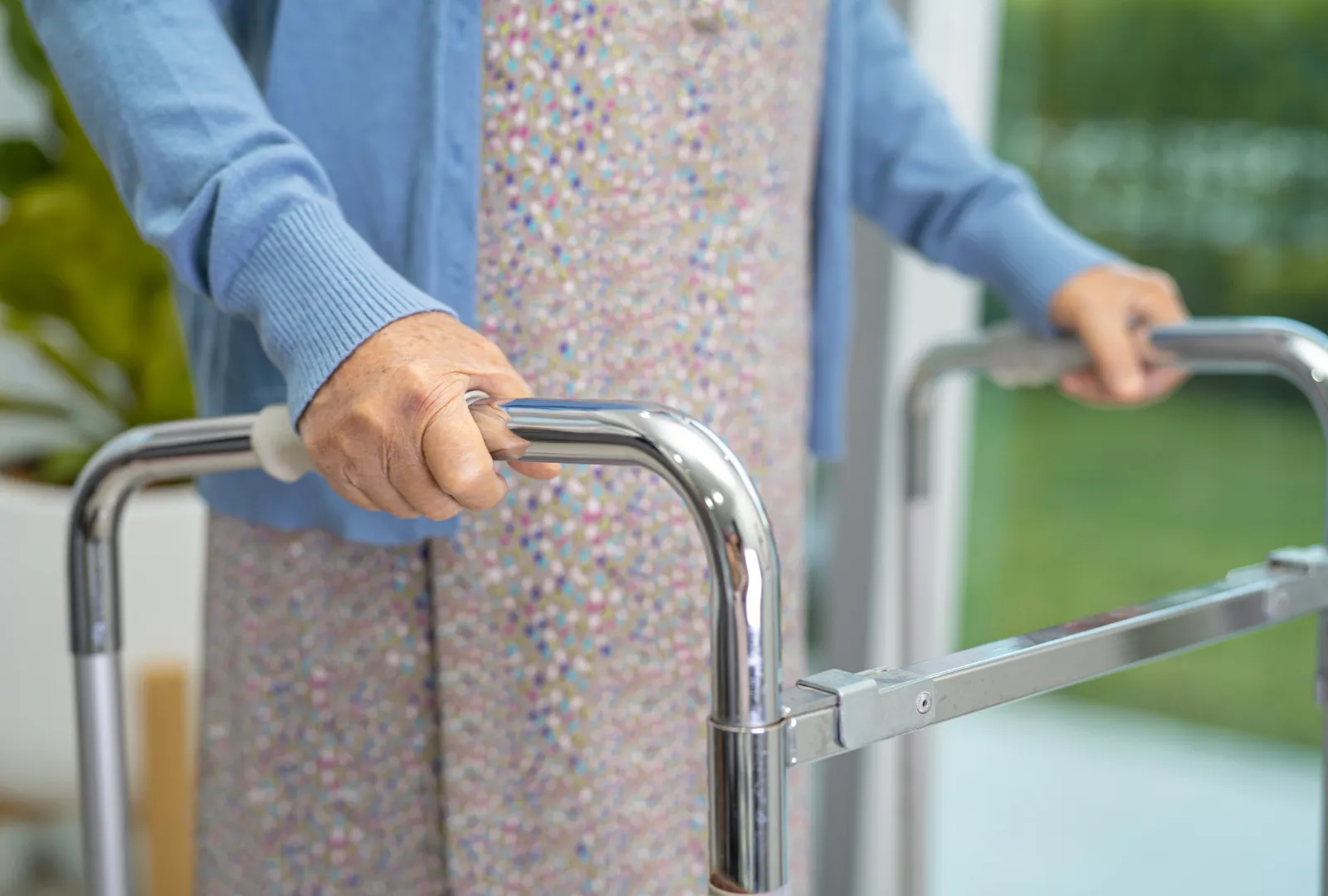
As we mentioned earlier, one of the greatest concerns for older adults is losing independence and their way of life. While safety is crucial, so is the ability to maintain control over one’s own life and make personal choices. Professional caregivers providing mobility assistance in-home care understand the balance between help and encouragement, letting your elderly parents do as much as they can by themselves without compromising their well-being.
Adaptive Strategies for Daily Activities
Sometimes, the key is not to stop doing an activity but to do it differently. Many assistive devices out there may look simple, but you’d be surprised at how much tools, like reacher sticks or easy-grip utensils, can make tasks easier and safer for your loved ones. Likewise, breaking them into smaller steps or doing them while sitting are other effective ways to empower your loved ones to do as much as possible on their own.
Progress Tracking
Every movement can act as an exercise to strengthen your parents’ mobility, which will eventually help with their ability to perform daily activities. When someone with ample experience working with the elderly is there to keep track of any small but meaningful improvements, like walking a few extra steps, standing up with less support, or practicing balance exercises, care can be tailored to every evolving need and ability. That way, the balance between assistance and maintaining independence can always be achieved.
End Note
Mobility challenges don’t have to mean the end of independence for your loved one. Help in the form of mobility assistance in-home care will make sure that daily tasks, exercise, and even progress tracking are handled with expertise and compassion—helping your family worry less while your loved one lives safely, comfortably, and with dignity in their own homes. Contact Sunny Days In-Home Care today.